


PROFILE: JASMINE CHONG ON LAB, ENTREPRENEURSHIP, & LEGACY
Jasmine Chong (Instagram), Photographed by The Love Studios. | Explore PROFILE Sessions.
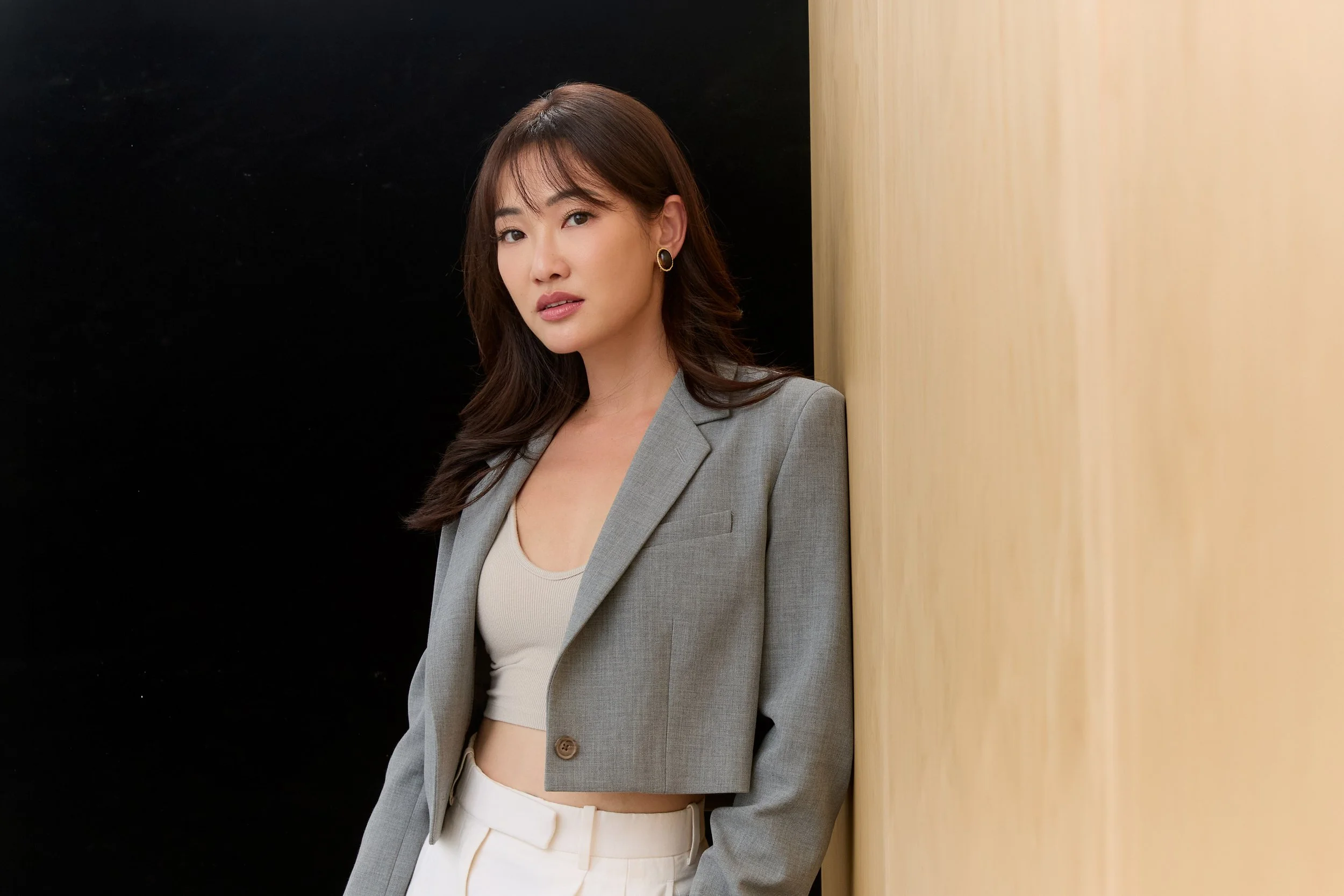
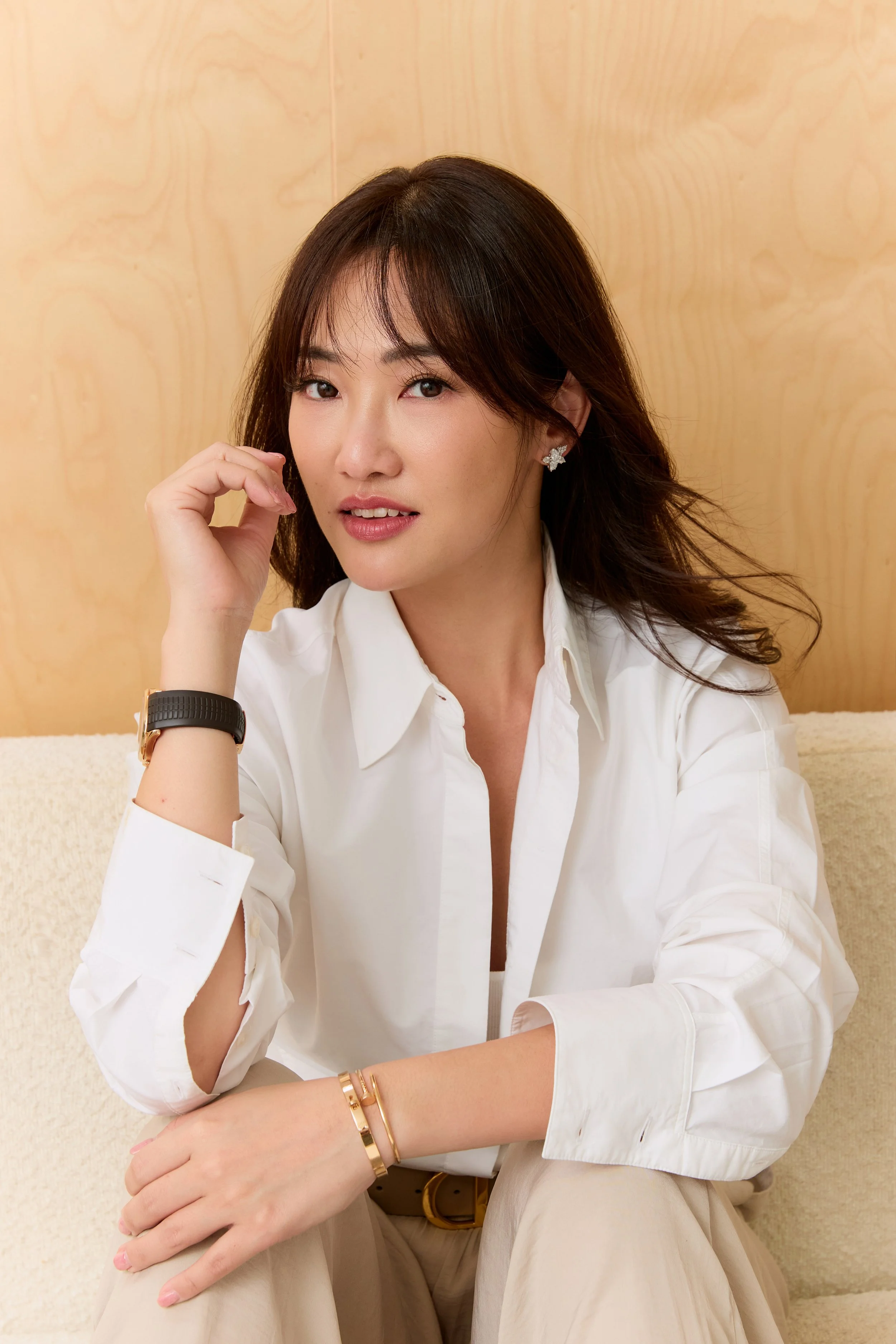
Q: You gave yourself six months of runway, signed the lease, and decided failure wasn’t an option. Looking back now, what did you understand about entrepreneurship then—and what do you know today that you couldn’t have known on day one?
Jasmine: I think I was incredibly determined (& naive), and that was probably my greatest advantage. I had left banking, completed my yoga teacher training, and somehow believed that if I created something I genuinely loved, people would come. There wasn’t a grand business strategy. I just wanted to build a space where movement didn’t feel intimidating.
Back then, I thought entrepreneurship was about working harder than everyone else. Longer hours, more hustle, saying yes to everything.
Ten years later, I think entrepreneurship is really about stewardship. You’re stewarding people, culture, finances, opportunities, and influence. You’re making decisions today that your future team will have to live with. It’s less about chasing growth and more about building something worth sustaining.
Ironically, I’ve learnt that the business grows most when I stop trying to control everything. Some of the biggest breakthroughs have come when I’ve dared to pause, listen, and ask what the next right step is, instead of forcing the next big move.

Q: Today, there is LabX and Lab Studios. At what point did you realise you weren’t just opening fitness studios, and that you were building a brand? What decisions helped create something people genuinely wanted to come back to?
Jasmine: I don’t think there was one defining moment. It happened when I realised people weren’t just coming for a workout. They were rearranging their schedules around us. They were bringing their friends. They knew our instructors by name. They celebrated birthdays here.
We had unknowingly become part of people’s lives.
That changed the questions I started asking. Instead of “How do we get more customers?” it became “How do we make someone feel every time they walk through our doors?”
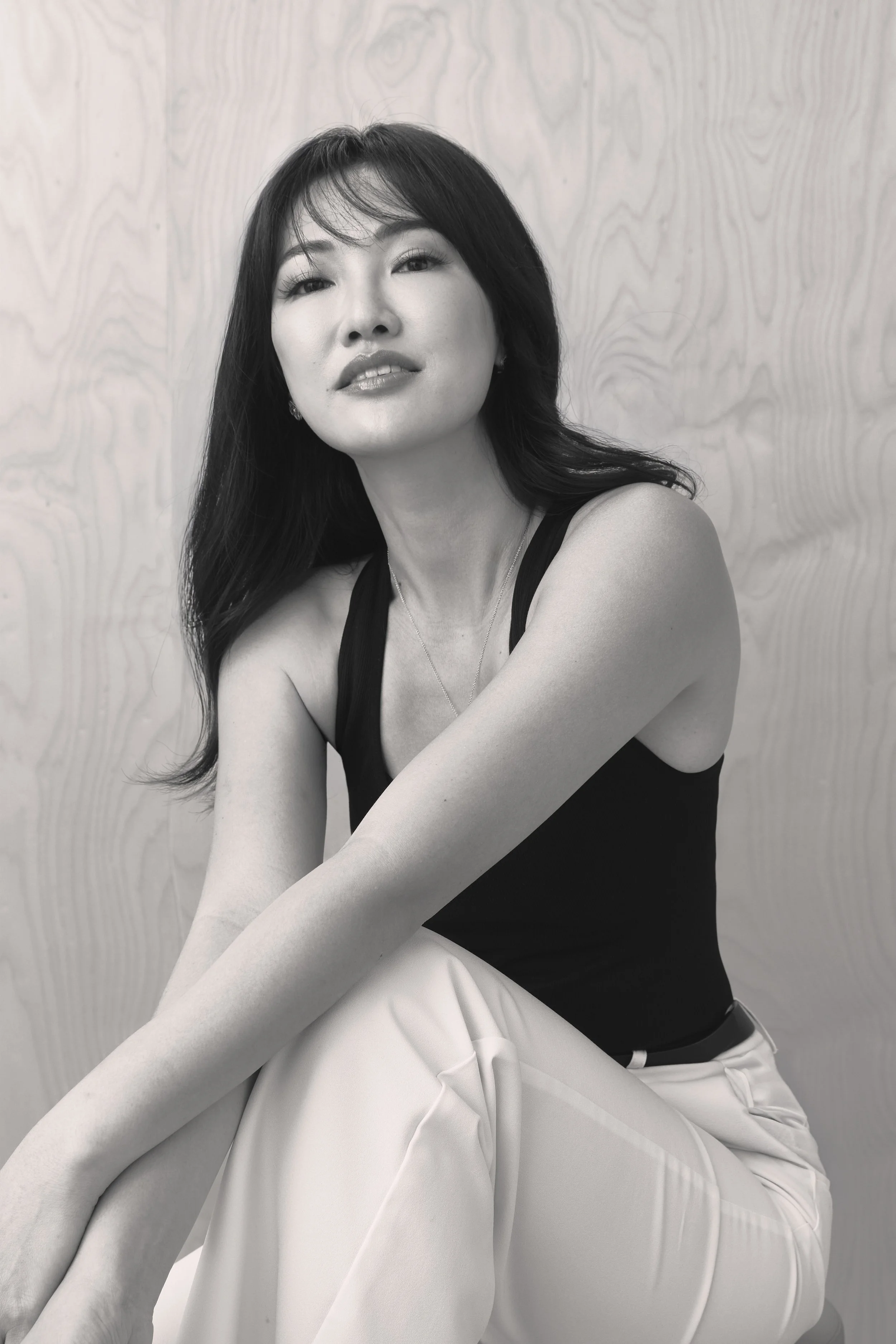
Q: Every decade has moments where the original plan stops working. Which decision was the hardest to make, and how did it ultimately shape the business into what it is today?
Jasmine: COVID was obviously difficult, but strangely it wasn’t the hardest decision. The hardest decisions came afterwards. Closing studios. Letting go of ideas that I had poured years into. Realising that not every chapter was meant to continue forever.
As founders, we often confuse perseverance with refusing to change. I’ve learnt they’re not the same thing.
Sometimes perseverance looks like having the courage to let go of something that’s no longer serving the mission, so you can protect what matters most. Every pivot has forced me to ask, “What business are we really building?”
We’re not in the business of collecting locations. We’re in the business of helping people build a healthier relationship with movement. Once I became clear on that, some decisions became painful, but obvious.
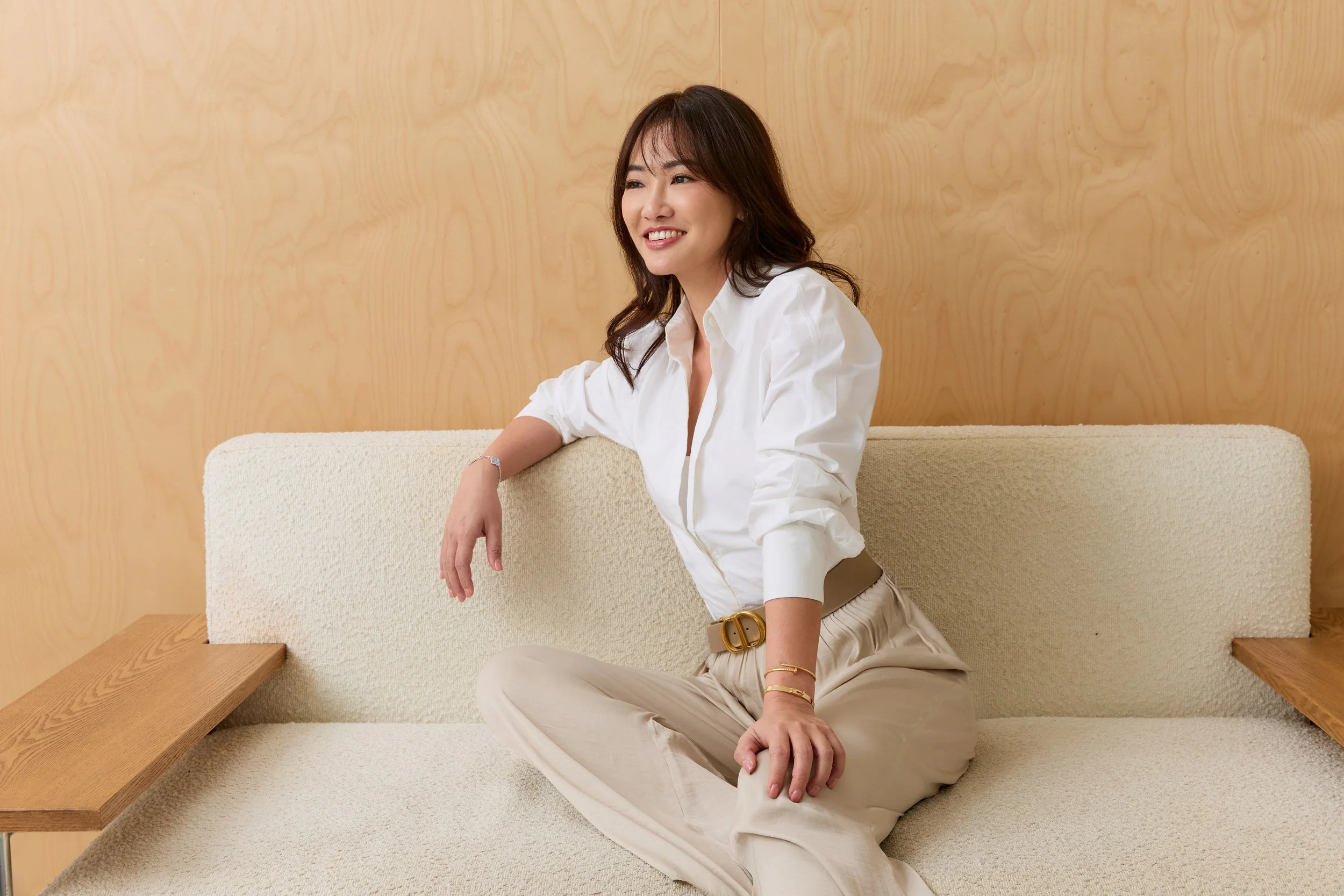
Q: As a founder, there comes a point where the company has to become bigger than the person who started it. How has your role evolved over the years, and what have you intentionally built so Lab can continue thriving beyond you?
Jasmine: For a long time, I thought being a good founder meant being involved in everything. Every decision came through me.
I now think that’s actually a limitation. If the business can’t function without me, then I’ve built dependence, not leadership.
Over the past few years I’ve intentionally stepped away from many of the day-to-day decisions. We’ve invested in leadership, systems and clearer ways of making decisions. That’s been surprisingly uncomfortable because founders often derive their identity from being needed. But I’ve realised my role isn’t to be indispensable. It’s to create an environment where other people can flourish, make decisions and eventually do things better than I ever could.
Today I spend far more time thinking about vision, culture and where we’re heading than I do worrying about the daily operations.
That’s probably the biggest shift.
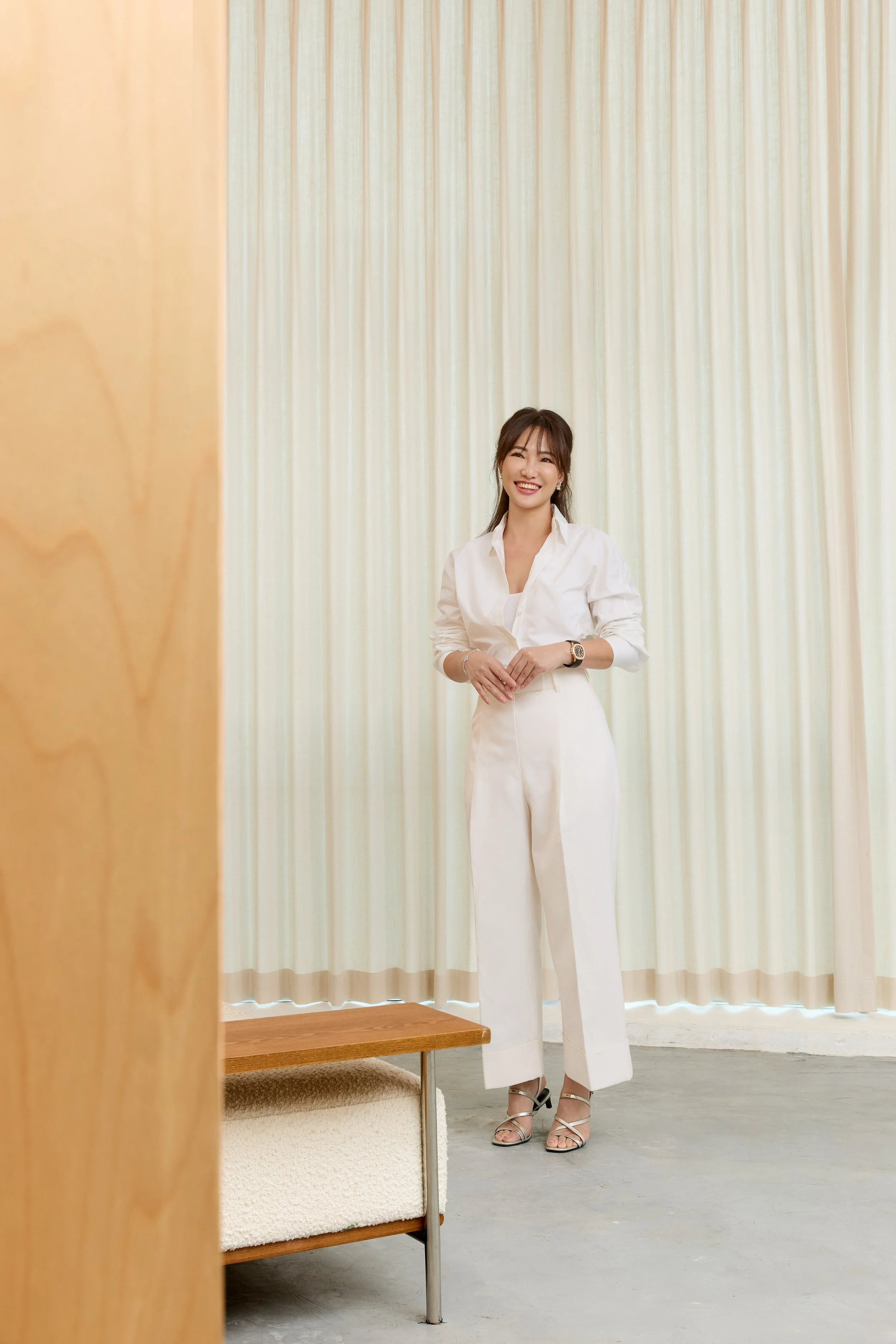
Q: When TLS photographs you today, who are we actually meeting? How would you describe the woman standing here now, compared to the one who opened that first studio on Hong Kong Street ten years ago?
Jasmine: She’s much quieter.
Not externally (I still have ideas every five minutes), but internally.
Ten years ago, I think I felt like I had something to prove. Today, I don’t.
Success used to feel like numbers. Now it feels like peace.
I’ve walked through seasons of success, failure, grief, disappointment, motherhood, leadership, and rebuilding. Each one has stripped away another layer of who I thought I needed to be. I’m still ambitious, but my ambition has changed.
I don’t want to build the biggest fitness company. I want to build something that genuinely improves people’s lives and honours the responsibility I’ve been given. I’m far less interested in being impressive than I am in being faithful.
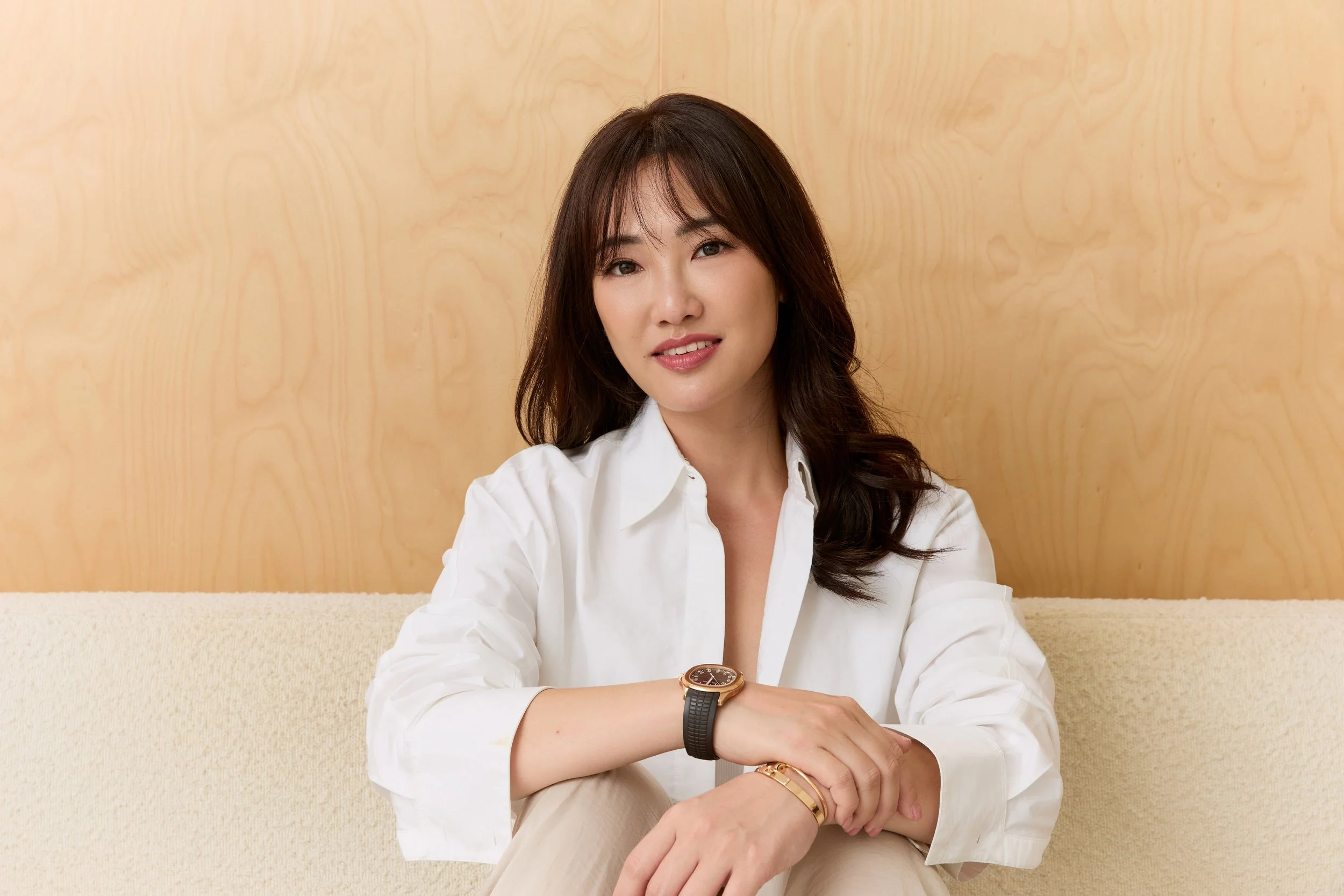
Q: When people look back at Lab Studios and LabX another ten years from now, what do you hope they’ll say about the business you’ve built — and the legacy you’ve left behind?
Jasmine: I hope they won’t first talk about our classes or our studios.
I hope they’ll talk about how people felt. That they felt healthier. More confident. More connected. More hopeful.
I hope they’ll say that Lab raised the standard for what a fitness business could be. Not because we had the nicest studios, but because we genuinely cared about people.
And personally, I hope people don’t remember me as someone who simply built a successful business.
I hope they remember that I tried to use whatever platform I’d been given to serve others well.
Businesses come and go. Buildings change and brands evolve. But if we’ve helped people become stronger, not just physically, but as human beings, then I think that’s a legacy worth leaving.

